

Recently, the question we have been asked most frequently is: “Has Malaysia’s e-invoicing been postponed again?”
Various rumors are circulating in the market—some claim it has been deferred to 2027, others say enforcement won’t start until 2028, and some have simply concluded that “we can just ignore it for now.” Frankly, these interpretations are inaccurate. Misunderstanding this timeline could severely disrupt a company’s strategic planning and operational rhythm over the next 2 to 3 years.
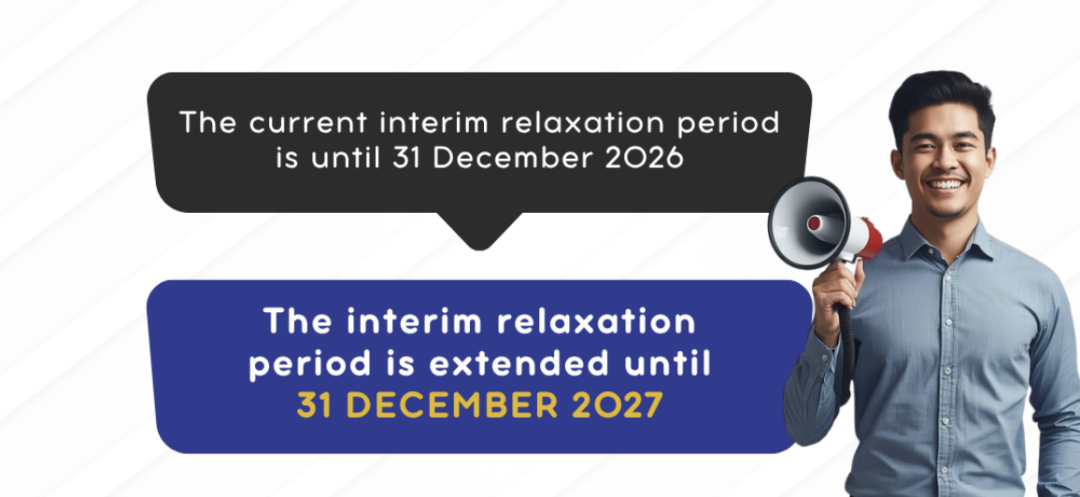
To state the conclusion upfront: There is no postponement, but the grace period has been extended.
The logic behind Malaysia’s electronic invoicing (e-Invoice) rollout is very clear:
The Legal Implementation Date: Remains unchanged.
The Grace Period (Interim Relaxation Period): Extended to December 31, 2027 (specifically for Phase 4 businesses with an annual turnover between RM1 million and RM5 million).
Consequently, 2026 and 2027 serve as the transitional interim relaxation period, while full, strict penalty enforcement will commence on January 1, 2028.
Many ask: How is this different from a “postponement”? The crucial distinction is that a postponement implies you can delay taking action entirely, whereas a grace period means implementation is legally mandatory now, but you are given the flexibility to phase it in gradually. This nuance may seem minor, but it dictates completely different pathways for corporate decision-making.
Why Did the Government Grant This "Relaxation"?
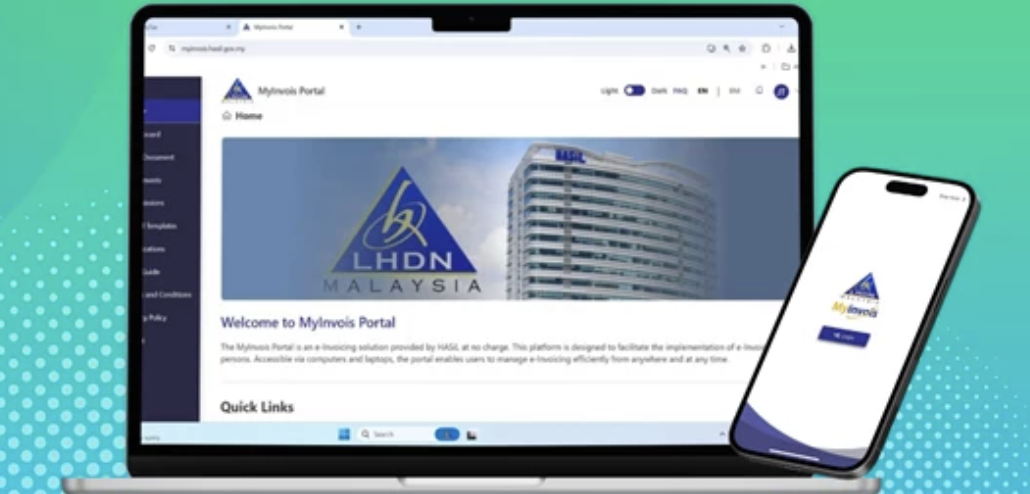
From a policy design standpoint, e-Invoice is not merely a tax measure; it is a national-scale digital infrastructure project. It involves far more than just “issuing a digital receipt.” It demands:
Real-time validation of corporate revenue data.
Direct automated integration with the Inland Revenue Board’s (LHDN) tax systems.
End-to-end traceability across the commercial transaction chain.
Total transparency of business activities.
If the government had strictly enforced this overnight for every tier of business, it would have triggered immediate structural friction due to:
Insufficient IT and system capabilities among small and medium enterprises (SMEs).
Non-standardized business and billing workflows.
Limited internal understanding of the complex new mechanism.
An immature ecosystem of market software vendors.
Therefore, the government chose a more pragmatic, incremental approach: get businesses onto the system framework first, and ramp up enforcement parameters later. This represents a highly practical deployment strategy rather than a policy relaxation.
What Does the Grace Period Actually Mean for Your Business?

Many businesses only see one surface-level perk: “No fines for now.” In practical operations, however, the strategic value of this transition window runs much deeper.
1. Mitigating Short-Term Compliance Risks Without Eliminating Risk
During the interim relaxation period, companies are indeed allowed to operate with unstandardized workflows, partially integrated software, and manual adjustments (such as utilizing consolidated e-invoices). However, the underlying mandate remains: you must begin transitioning onto the e-Invoice framework. Waiting until the hard enforcement phase begins will expose your business to fragmented data, unvetted systems, and severe internal operational gridlocks—ultimately amplifying your compliance risks.
2. Re-engineering Processes Rather Than Rushing Temporary Fixes
The structural impact of e-Invoicing extends far beyond the billing desk. It directly reshapes:
The exact timestamp of revenue and sales recognition.
Financial accounting and bookkeeping methodologies.
Core tax filing and declaration logic.
Reconciliation mechanisms between customers and suppliers.
The true value of this grace period is that it grants enterprises the runway to audit, restructure, and fully standardize these internal financial lifelines.
3. Avoiding the Strategic Failure of “Choosing the Wrong System”
The current market is flooded with a confusing array of e-Invoice solutions:
Standard Accounting Software Upgrades ➔ Dedicated ERP Integration ➔ Direct API Connection to MyInvois ➔ Middleware Platforms
The reality on the ground is that many third-party solutions are still evolving and have not reached peak stability. Rushing into a decision prematurely can easily result in deploying an incompatible system, incurring duplicated capital expenditures, and suffering the operational headache of switching software later. The grace period offers an important window to observe market performance and select the most viable fit.
4. The Critical Window for Internal Team Re-training
Many businesses overlook a core truth: the ultimate bottleneck of e-Invoicing is not the software, but the people operating it. Companies must evaluate whether:
The sales team understands the new data capturing and onboarding requirements.
The finance department has mastered the updated LHDN validation rules.
Operational workflows can smoothly execute within the mandatory timelines.
Without proactive training, companies will experience department friction, billing bottlenecks, and frequent validation errors once full enforcement goes live. This transition period allows teams to cultivate capability at a manageable pace.
The Greatest Pitfall: Treating the "Grace Period" as a "Wait-and-See Period"
A large number of enterprises are currently choosing a passive strategy: “Do nothing for now, and wait until the policy becomes absolute before investing.”
While this may seem to conserve capital in the short term, this wait-and-see approach creates massive back-end pressure. As 2027 draws to a close, the market will inevitably experience an extreme bottleneck of concentrated system go-lives. Software vendor resources will be completely stretched, consulting fees will skyrocket, and the time available for data cleansing, system testing, and staff training will be dangerously compressed.
What could have been implemented smoothly in stages will turn into a chaotic, emergency scramble. The predictable result? Higher deployment costs, rushed executions, and elevated operational risks.
Therefore, the question corporate leadership needs to ask is not “Can we afford to wait?” but rather “How much risk and unnecessary expenditure can we eliminate by preparing right now?”
Ultimately, the e-Invoice grace period is not an invitation to procrastinate; it is a strategic gift of time, allowing businesses to execute a low-cost, low-risk digital and compliance upgrade.