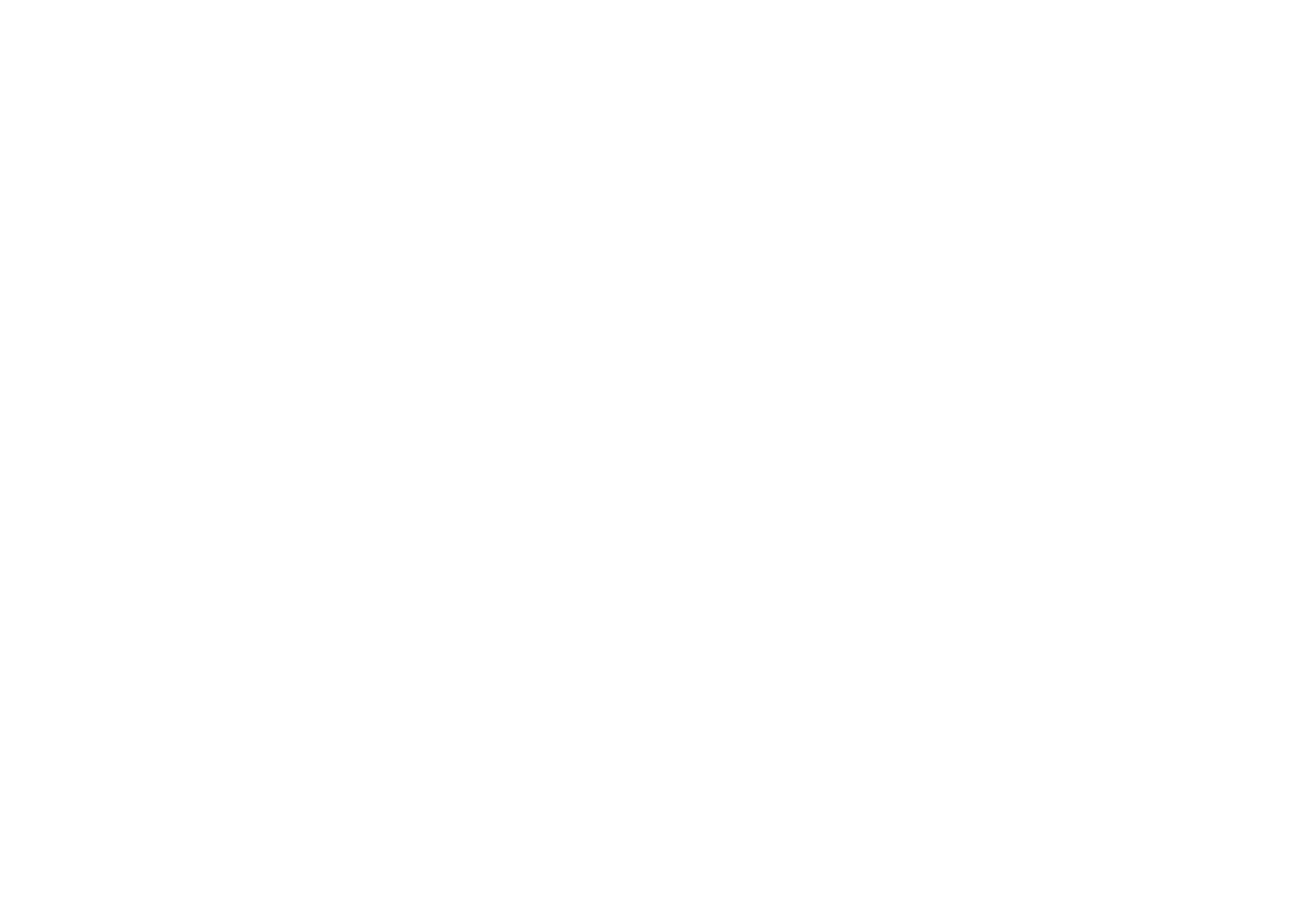
On December 3, the circular economy symposium “Hexagon Warrior of Circular Renaissance: From Green Workplace to Material Revolution” was successfully held at the Alibaba Xuhui Campus in Shanghai. Jointly organized by Alibaba, the China ESG Alliance, and the China Association of Circular Economy, the event brought together government agencies, green tech enterprises, international institutions, and ESG leaders from China and Brazil to map out the circular economy blueprint for the next decade.
This event served not only as an intellectual dialogue on green workplaces, sustainable materials, and circular economy policies, but also as a definitive signal for accelerated cross-regional cooperation.
Invited to this prestigious gathering, SBF (Muhe International) reached cooperative consensus with multiple ecosystem partners to jointly drive cross-border collaboration between China and Malaysia in areas such as the circular economy, low-carbon materials, and green smart offices. Notably, SBF will bring this themed forum to Malaysia next year, inviting more ASEAN partners to join the new era of the circular economy.
Dual Engines of Policy and Industry: Circular Economy Enters "Fast-Forward Mode"

The forum unfolded across two major themes: Green Workplace and Material Revolution. Experts from institutions such as the Shanghai Municipal Commission of Economy and Information Technology, the Shanghai Climate Week Organizing Committee, and the China Association of Circular Economy analyzed key dimensions from policy, market, and innovation perspectives:
Key directions for the circular economy under the “14th Five-Year Plan.”
Outlook on circular economy cooperation between China and international partners.
Future trends in green and intelligent workplaces.
How the sustainable material revolution is reshaping manufacturing and construction.
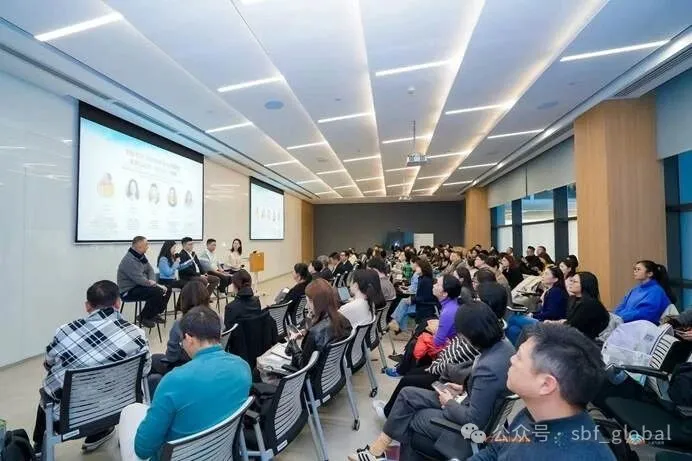
The circular economy is evolving from isolated practices into systemic transformation: moving sequentially from Policy Traction → Corporate Innovation → Supply Chain Synergy → Large-Scale Industrial Implementation.
Green Workplace: Beyond Energy Saving to Organizational Culture Upgrades
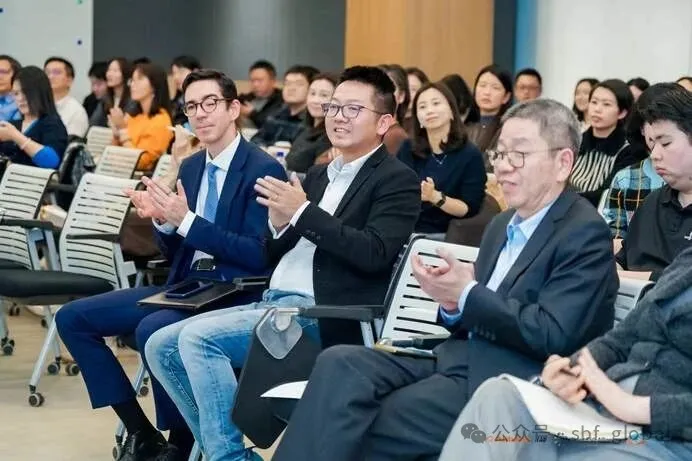
Representatives from Steelcase, M-SECN, and various ecological enterprises shared the new paradigm of the “Future Office,” where sustainability, health, intelligence, and circularity form the core logic of workspaces.
Key insights included:
Comprehensive Reconfiguration: Green workplace practices are not just about “changing a few lightbulbs,” but completely redefining ways of working.
ESG Evaluation: Material circularity will become a vital KPI in corporate ESG assessments.
Lifecycle Management: Office furniture, materials, and equipment will enter a closed-loop lifecycle management system characterized by being “recyclable, reproducible, and traceable.”
Strategic Grounding: The workplace is the primary physical environment where corporate culture and sustainability strategies come to life.
Driven by the triple priorities of dual-carbon goals, cost optimization, and employee experience, green workplaces are rising to become a strategic agenda for corporate executives.
Material Revolution: The Next Transformation for Manufacturing and Supply Chains
and Shanghai put forward a defining viewpoint:
The competition of the next decade will not be a battle of products, but a battle of materials. Whoever commands green, circular, and low-carbon materials will command the new industrial leadership.
Sustainable materials are actively reshaping:
The supply chain structures of high-tech manufacturing.
Carbon emission patterns within the furniture and construction industries.
Urban resource recycling systems.
The capability and speed at which enterprises achieve their ESG goals.
This shift aligns seamlessly with the green production and low-carbon industrial development currently championed by ASEAN, particularly Malaysia.
Outlook: From Concept to Industrialization
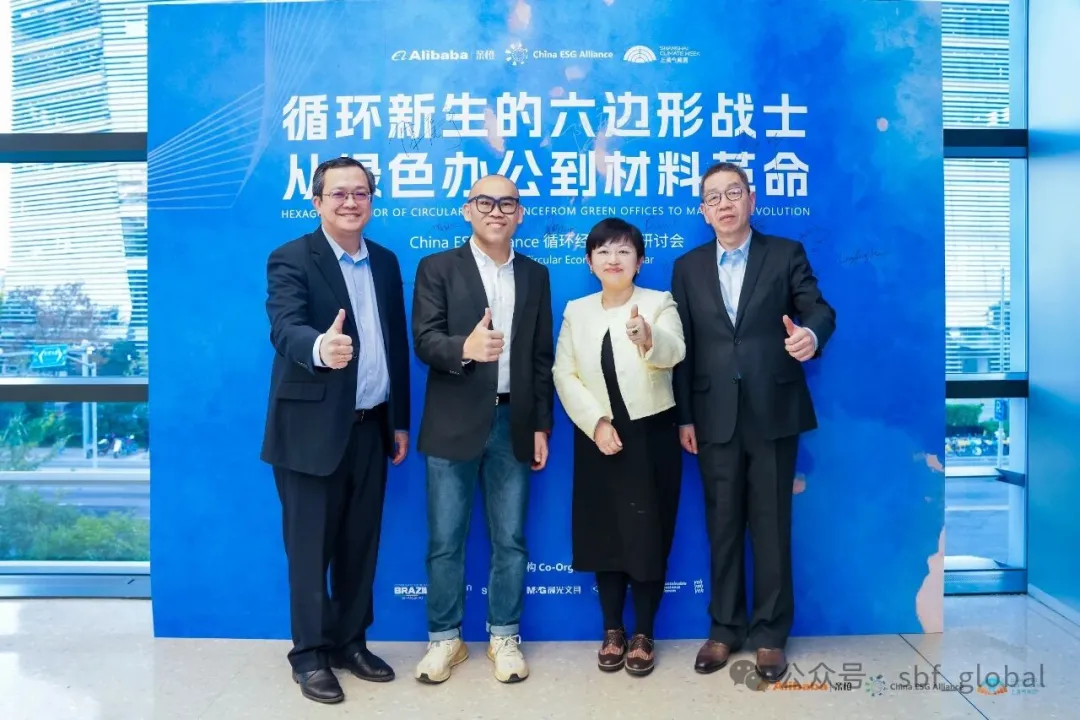
The circular economy is no longer a “future trend”—it is a present reality. Driven simultaneously by China’s “14th Five-Year Plan,” Malaysia’s NETR (National Energy Transition Roadmap), and the ASEAN Green Deal, the scope for synergy between Chinese and Malaysian enterprises in green workplaces, low-carbon materials, green manufacturing, and environmental technology is unprecedented.
SBF will continue to serve as a bridge—connecting green industrial chains, innovation ecosystems, and sustainable development opportunities between China and ASEAN.
The Shanghai forum marks the beginning of this collaboration; Malaysia will be the stage for the next chapter.