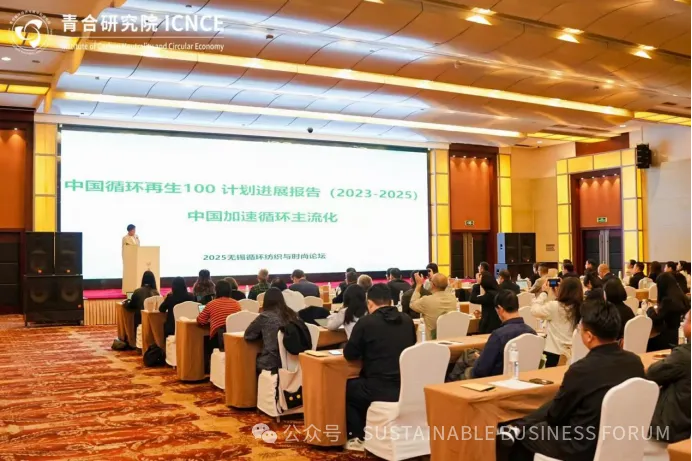
From October 23 to 24, 2025, the 2025 China Circular Textiles and Fashion Forum, themed “Complying with Global Regulations and Standards, Empowering the Leap in Circularity,” was successfully held in Wuxi.
The forum brought together nearly 200 guests, including industry experts, leading enterprise representatives, industry associations, banks, and investment institutions from the United States, the Netherlands, Malaysia, Australia, Singapore, Hong Kong (China), and Taiwan (China). Key leaders and distinguished guests attended and delivered speeches, including:
Lu Xiaobo, Deputy Governor of Xishan District, Wuxi City
Niu Sufen, Executive President of the Wuxi People’s Association for Friendship with Foreign Countries
Duan Beibei, Party Secretary of the Green Fiber Company of China Resource Recycling Group
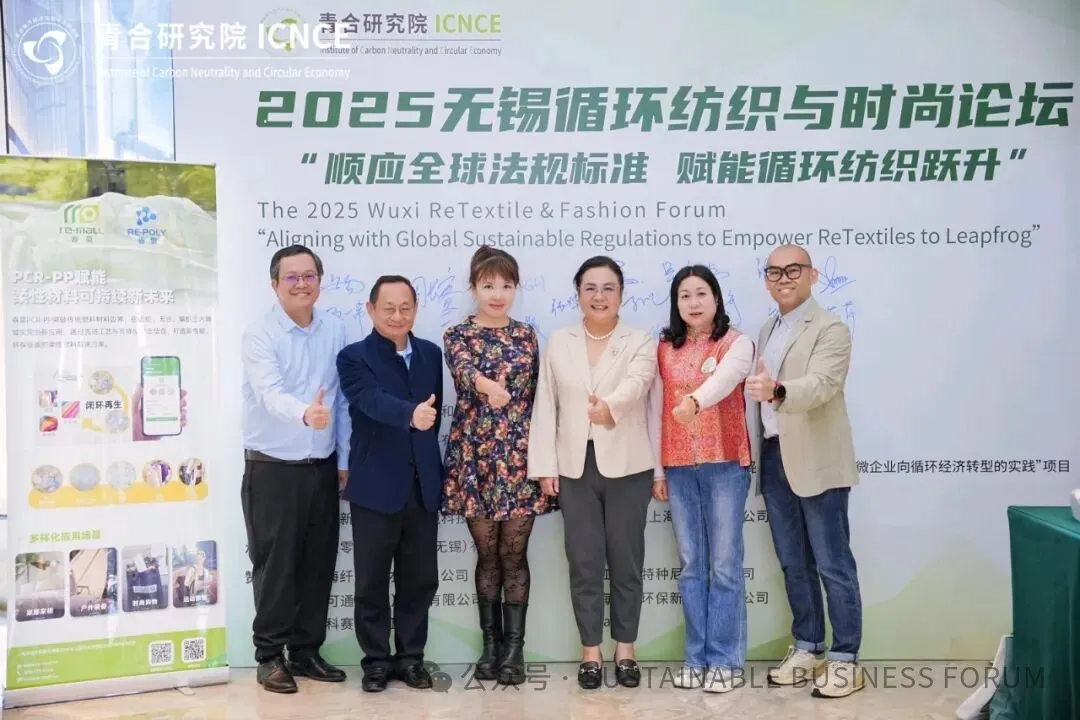
As representatives of Malaysia’s leading sustainable business platform, Mr. YAP WOON HAN, Founder and President of SBF (Muhe International), and Mr. Goh Choon Chai, Advisor to SBF, were invited to attend the event. Together, they explored the topic of “Industrial Synergy and New Opportunities for Going Global Driven by the Circular Economy.” Their participation highlighted SBF’s forward-looking perspective and international influence in driving sustainable business cooperation across Asia.
Circular Economy Becomes the New Engine of Global Competition
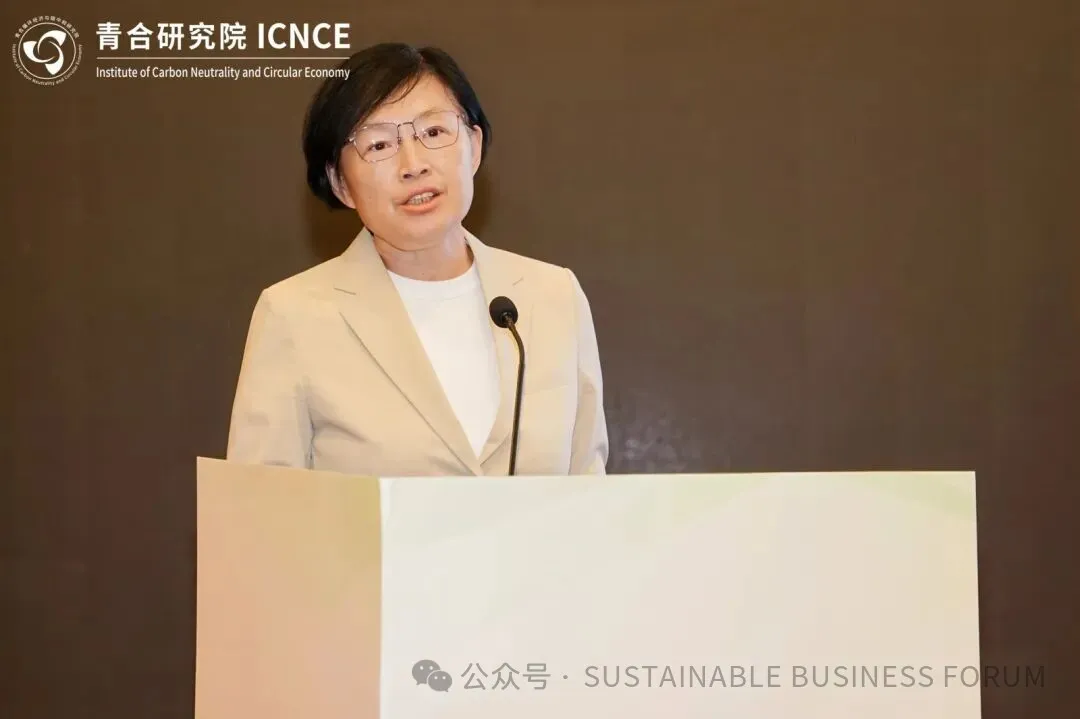
During the forum, Mr. Wu Changhua, Dean of the Global Climate Academy, officially released the “Progress Report on China’s Circular Regeneration 100 Plan.” He pointed out that since its launch at COP28, China has integrated circular economy principles into the mainstream of its manufacturing, consumption, and investment systems, shifting from a focus on “compliance-driven” to “high-quality productivity.”
The report emphasized that through the construction of systemic infrastructure—such as digital traceability, green finance, and low-carbon industrial parks—China is accelerating the buildup of its circular recycling industrial foundation. This foundation complements and synergizes with EU regulations like ESPR, DPP, and CBAM. This trend offers a crucial insight for Southeast Asian enterprises: future industrial competitiveness will no longer depend on cost advantages, but on the combination of circular capabilities and regulatory compliance.
SBF shared its experience in guiding Malaysian enterprises from basic ESG compliance toward green value chain innovation, emphasizing that the ASEAN market is becoming a critical hub for “global circular ecosystem synergy.”
From Wuxi to ASEAN: A New Channel for Sustainable Cooperation
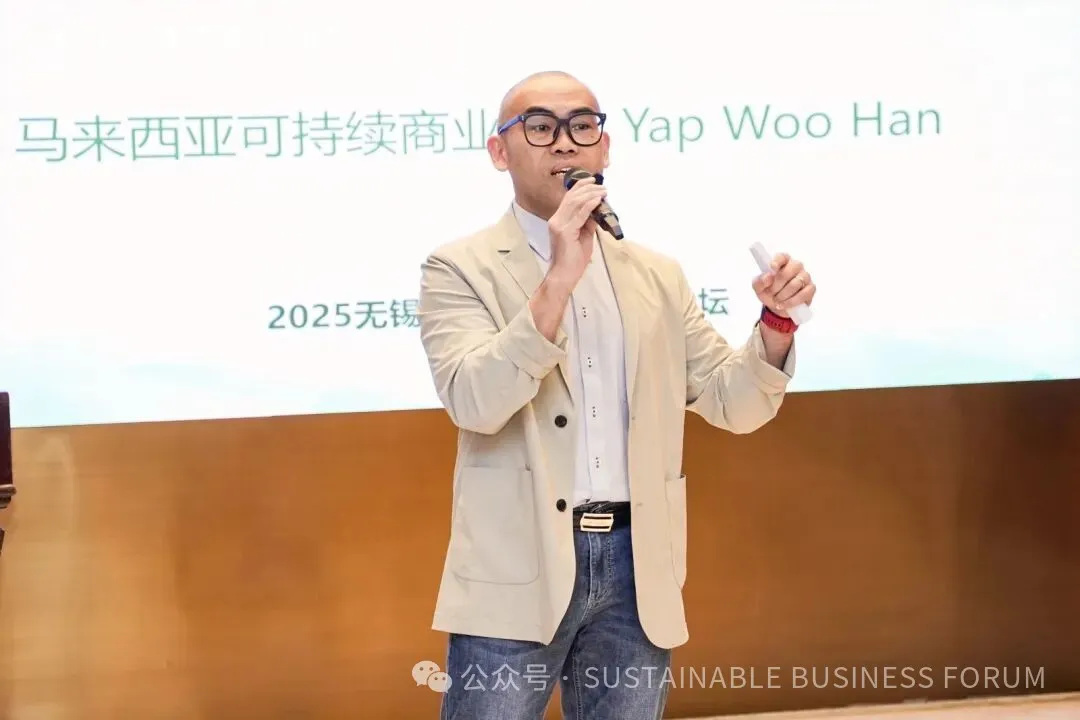
Mr. YAP WOON HAN, Founder and President of SBF, stated that the core of a circular economy lies in “systems thinking” and “cross-border synergy.” China’s institutional innovation in the circular textile system brings valuable experience and partnership opportunities to ASEAN countries.
“Malaysian and Southeast Asian enterprises are at the starting point of their green transition. How they align with China’s circular system standards will determine whether they can enter the global sustainable supply chain system in the future,” Yap noted.
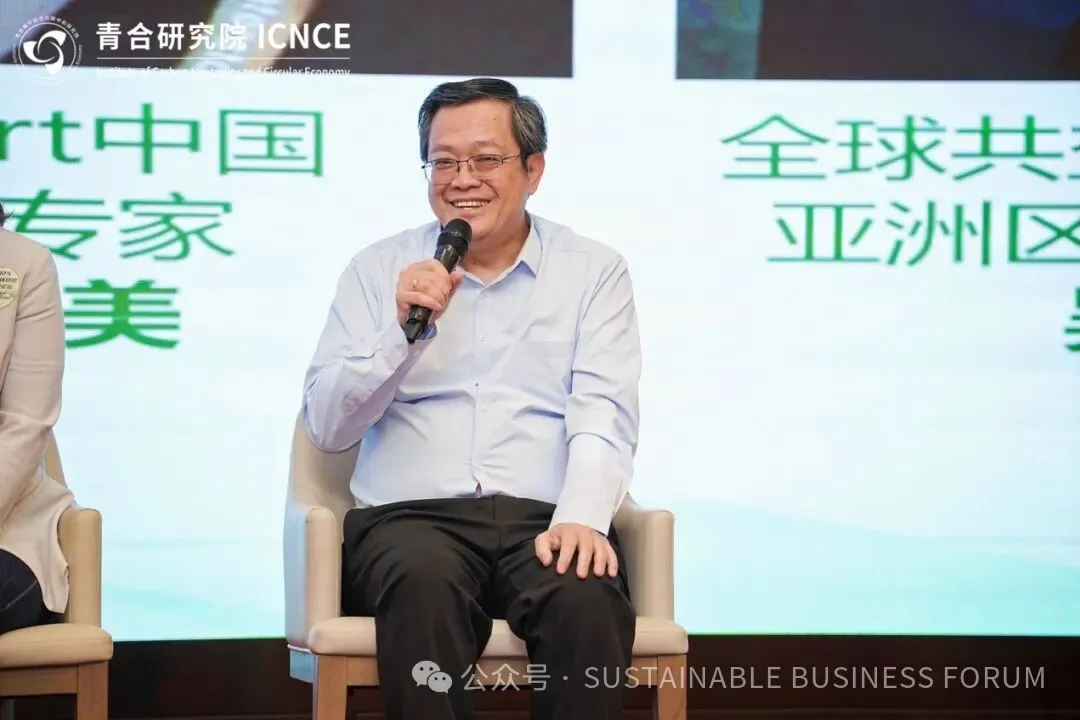
Mr. Goh Choon Chai, Advisor to SBF, added that SBF is working with multiple regional partners to advance cross-border green certification systems and mutual recognition mechanisms for sustainability data. This initiative aims to help ASEAN enterprises integrate into Chinese and global markets more efficiently. He emphasized: “The circular economy is not just an environmental issue; it is a corporate growth strategy. Mastering green standards means mastering future competitiveness.”
Outlook: From "Circularity" to a "Regenerative Economy"
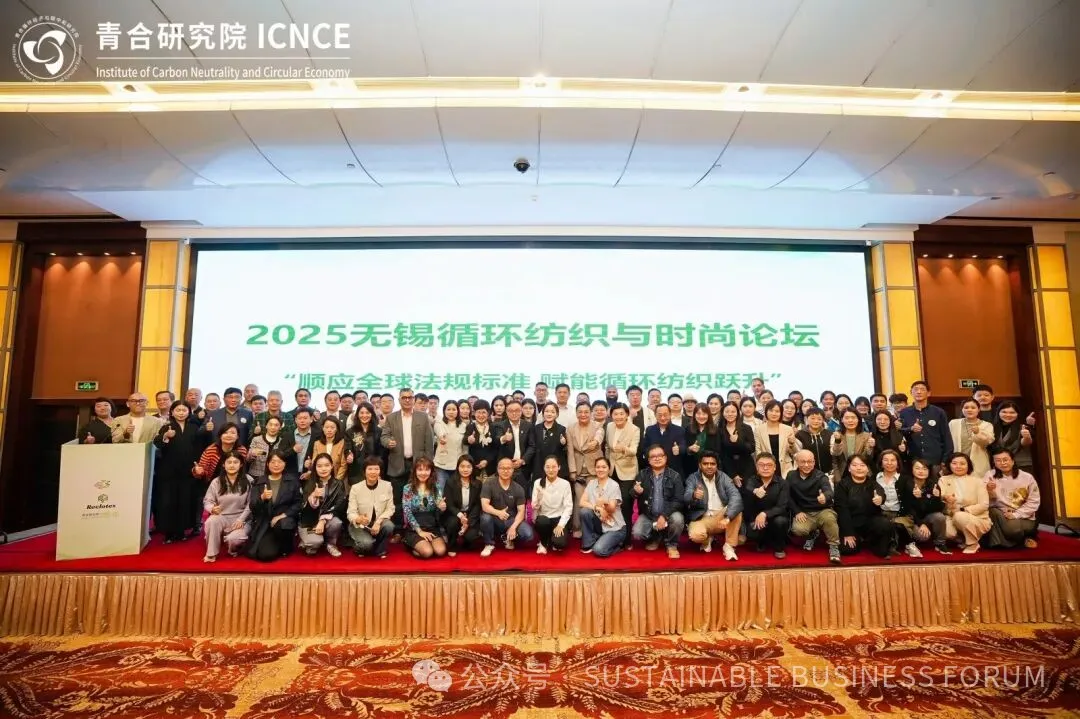
The success of the Wuxi Forum not only provided a forward-looking vision for the global circular textile industry but also opened a new chapter for green cooperation between China, Malaysia, and the wider ASEAN region.
As a key platform driving regional sustainable business development, SBF believes that the ultimate goal of a circular economy is to achieve a “regenerative economy”—a new system where corporate growth runs parallel with ecological restoration, and economic benefits coexist with social value.
Moving forward, SBF will continue to connect more Asian enterprises to the global sustainable value chain through forums, training, certifications, and regional cooperation platforms to co-create a green future.